Travel Footwear Trends You Need to Know This Year

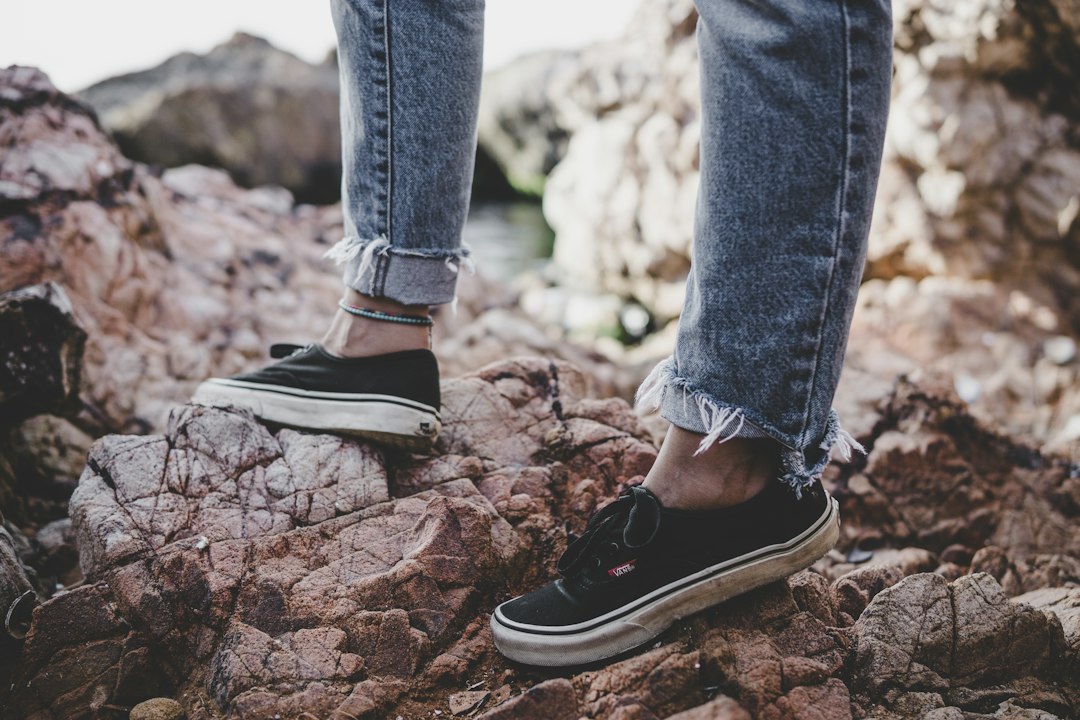
When embarking on a journey, the right footwear can make all the difference between a delightful adventure and a painful ordeal. At wandersteps.com, we understand that travel footwear is not just about style; it’s about comfort, durability, and functionality. This guide will help you navigate the essential factors to consider when selecting the perfect pair of shoes for your travels.
Before you even begin to browse through options, it’s crucial to assess your travel needs. Are you planning a hiking trip through rugged terrains, or are you looking for something more casual for city exploration? Each type of travel requires different footwear characteristics. For instance, hiking shoes should offer excellent grip and ankle support, while city shoes should prioritize comfort and style.
Consider the climate and environment of your destination as well. If you’re heading to a tropical location, lightweight and breathable shoes are essential. Conversely, if your travels take you to colder regions, insulated and waterproof footwear will be necessary. Understanding these factors will help narrow down your choices significantly.
The materials used in your footwear can greatly affect comfort and performance. Look for shoes made from breathable fabrics that wick moisture away, especially if you plan to wear them for extended periods. Leather is a popular choice for its durability and style, but it may not be the best option for hot climates unless it’s well-ventilated.
Additionally, consider the sole material. Rubber soles provide excellent traction and durability, making them ideal for various terrains. EVA foam soles, on the other hand, offer lightweight cushioning, which is perfect for city walking. Balancing these materials based on your travel activities will ensure you have the right support and comfort.
Fit is perhaps the most critical aspect of choosing travel footwear. Ill-fitting shoes can lead to blisters, discomfort, and even long-term foot problems. When trying on shoes, ensure there’s enough room in the toe box and that your heel doesn’t slip out when walking. It’s advisable to try shoes on at the end of the day when your feet are slightly swollen to get a more accurate fit.
Don’t forget to consider the type of socks you’ll be wearing as well. If you plan to wear thicker hiking socks, make sure to try the shoes on with those socks to ensure a proper fit. Remember, a well-fitted shoe will not only enhance comfort but also improve your overall travel experience.
Once you’ve selected your travel footwear, it’s essential to break them in before your trip. Wearing them around your home or during short walks can help identify any discomfort areas that may need adjustment. This step is crucial, especially for hiking boots or shoes that may require a longer break-in period.
Additionally, consider testing them on different surfaces to see how they perform. Walking on both flat and uneven terrains can give you a better idea of their grip and support. If possible, take them on a short day hike or a long city walk to ensure they meet your expectations.
Step 1: Assess your travel needs based on your destination and activities. Step 2: Choose materials that suit your climate and provide the necessary support. Step 3: Ensure a proper fit by trying on shoes with the socks you plan to wear. Step 4: Break in your shoes before your trip to avoid discomfort.
Traveling can be tough on your feet. Our footwear is crafted with empathy, ensuring comfort and support for every journey you take.